


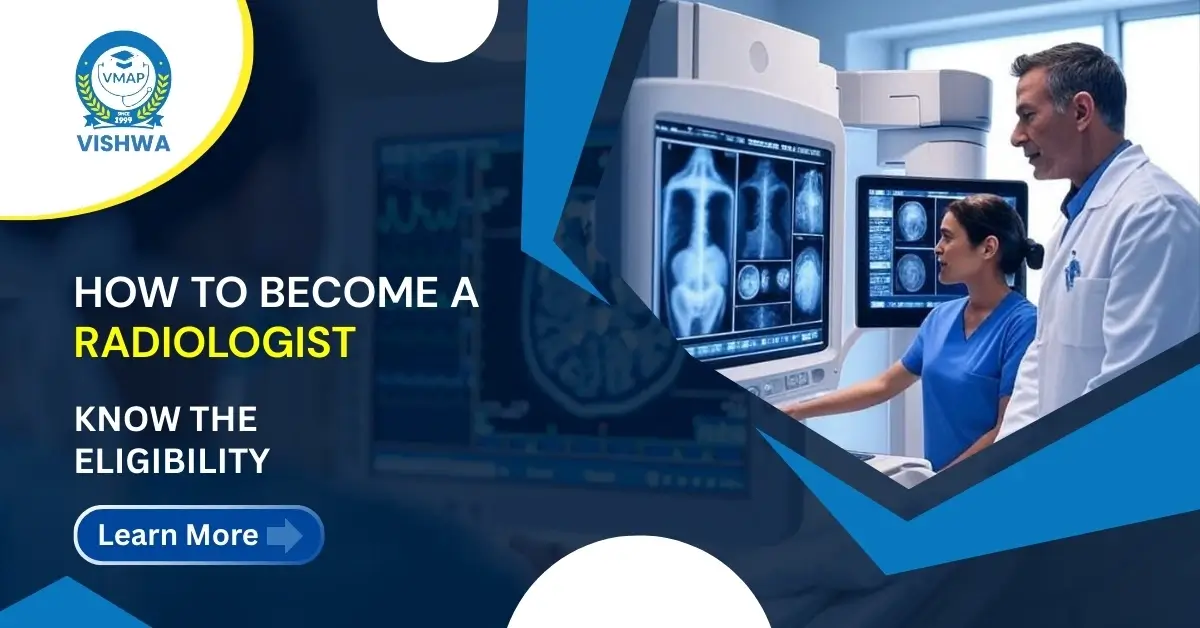
Are you curious about how to become an ophthalmologist (eye doctor), let me explain it step by step in simple words. This job means you treat eye diseases, check vision, and do surgeries to help people see clearly. Patients often thank doctors a lot because good eyesight changes their daily life completely.
Studies show that by 2035 many countries will need 30% more ophthalmologists than available right now. This gap exists because older people require more eye care and fewer new doctors join this field. So, if you study hard today, you can get good jobs in the future easily.
What Does an Ophthalmologist Actually Do?
An ophthalmologist is a proper medical doctor who only works on eyes and vision problems. They test eyes, give medicines, prescribe glasses, and perform operations when required.
For example, they remove cloudy lenses in cataracts or fix damaged retinas to prevent blindness. They differ from optometrists because optometrists do not do surgeries or treat serious diseases.
Why Pick Ophthalmology as Your Career?
You might like ophthalmology because it mixes science lessons, surgery skills, and patient care every day. Demand for eye doctors keeps increasing in almost every country around the world. Reports say the eye care market will grow to about 94 billion dollars by 2030 worldwide. After some years of work, most ophthalmologists earn more than 300,000 dollars annually in many places.
What Basic Eligibility Do You Need?
You must score well in science subjects during 11th and 12th class to start this path. Biology, chemistry, and physics marks matter a lot for college admission later. After school, you need to finish a bachelor’s degree with science courses and good grades.
Most medical colleges ask for entrance exam scores like NEET or MCAT depending on the country. If you plan MBBS admission abroad 2026 or MS ophthalmology abroad eligibility, you usually complete MBBS first and clear extra exams.”
Clear Steps on How to Become an Ophthalmologist (Eye Doctor)
Here are the main steps that almost every student follows to reach this goal.
- First, finish your four-year bachelor’s degree in science or pre-medical subjects.
- Then, study hard and get a high score in the medical entrance examination.
- Next, join medical college and complete four years to receive your MBBS or MD degree.
- After that, do a one-year internship in different hospital departments.
- Later, apply for three-to-four-year residency training only in ophthalmology.
- In residency, you practice surgeries and treat patients with senior doctors watching.
- Finally, clear certification exams to start working as an independent eye specialist.
Many students also visit eye clinics early to watch real work and get strong reference letters.
How Many Years Does the Whole Process Take?
You generally need 12 to 15 years of study and training after 12th class. Four years cover bachelor’s degree, four more for medical college, and rest for residency. If you choose extra training in one small area, it adds one or two more years.
Why Do Students Go Abroad for Ophthalmology?
Many Indian students choose an ophthalmology course abroad because top countries provide better equipment and teaching methods. You see different kinds of eye cases that help you learn more skills quickly. Popular places include the United States, United Kingdom, Australia, Germany, and Canada.
Look at this table to compare options for eye doctor study abroad:
Comparison Table:
| Country | Main Exams You Must Clear | Average Yearly Fees in USD for Foreign Students | Total Years of Study |
| United States | MCAT and USMLE exams | 50,000 to 100,000 | 13 to 15 years |
| United Kingdom | IELTS and PLAB exams | 40,000 to 60,000 | 8 to 10 years |
| Canada | MCCQE exams | 20,000 to 50,000 | 13 to 14 years |
| Australia | AMC exams | 40,000 to 80,000 | 10 to 12 years |
| Germany | German language test | Very low or free | 11 to 13 years |
Job Chances for Radiologists in Future
Doctors expect good jobs for radiologists even after 2030. More old people will need scans to check their health regularly. New diseases also increase the need for imaging tests. Machines will improve but human doctors will still make final decisions. Hospitals and diagnostic centers will keep hiring trained radiologists.
Problems You May Face and Solutions
Long duty hours during training can make you very tired. You should eat well, sleep enough, and exercise regularly. Learning new machines and software takes time and practice. Talking to senior doctors helps you understand difficult cases better. Moving abroad means learning new rules and sometimes a new language.
Conclusion
You now know the full path to become a radiologist step by step. Hard work in school and college brings you closer to this goal. Good marks, proper exams, and training make you a skilled doctor. You can study in India or choose radiology abroad for more experience. Vishwa Medical Education Point helps students with correct information and application steps. Start your preparation today and stay serious about studies.
Also Read
How to Become an Ophthalmologist (Eye Doctor)
How to Become an ENT Specialist
How to Become a Dermatologist
How to Become a Cardiologist